

Recovery vs. Rest
This post is a break from my recent writings on pain science and a little side-quest into a tip I share with most of my clients at some point, whether our work is Pain Reprocessing Therapy (PRT) or Mind-Body Coaching.
That means it's something I see that can benefit just about everyone.
A significant side-interest of mine is the science of peak performance and flow states, and how we can glean insights from the leading-edge science taking place in those fields and apply it to the lives of regular folks like you & me.
Think for a moment about the people you consider to be "peak performers" -- perhaps professional or extreme athletes, entrepreneurs, CEOs and the like come to mind.
Even if "peak performance" doesn't resonate with how you view your lifestyle, or the life you aspire to, we can still glean some important takeaways about how people living in those categories maintain the ability to perform at the highest-possible levels week-after-week.
Way back in 2001, Harvard Business Review (HBR) had eyes on this when they published their article, "The Making of a Corporate Athlete."
In it, they compare the training a professional athlete undergoes to the training that a new category -- the "Corporate Athlete" -- is largely not undergoing but very much should. Here's the very stark comparison they make:
"The typical executive devotes almost no time to training and must perform on-demand ten, 12, 14 hours a day or more. Athletes enjoy several months of off-season, while most executives are fortunate to get three or four weeks of vacation a year. The career of the average athlete spans seven years; the average executive can expect to work 40-50 years."
Now, the language in this article is heavily oriented toward the label "executives", but I argue this information applies to everyone -- knowledge workers, full-time parents, tradespeople, service pro's...you name it. We all live this way today.
And, executives and athletes aren't special people that deserve and can benefit from a performance-based toolkit. We're all subject to the relentless demand of life in the 21st century, and can all benefit by working some new tools into our daily lives.
So, how can we normal folks take some lessons and grab a few tools from peak performers to help us stay in the game as long as we please or need to, with the ability to show up fully and operate as close as we can to 100%, day after day?
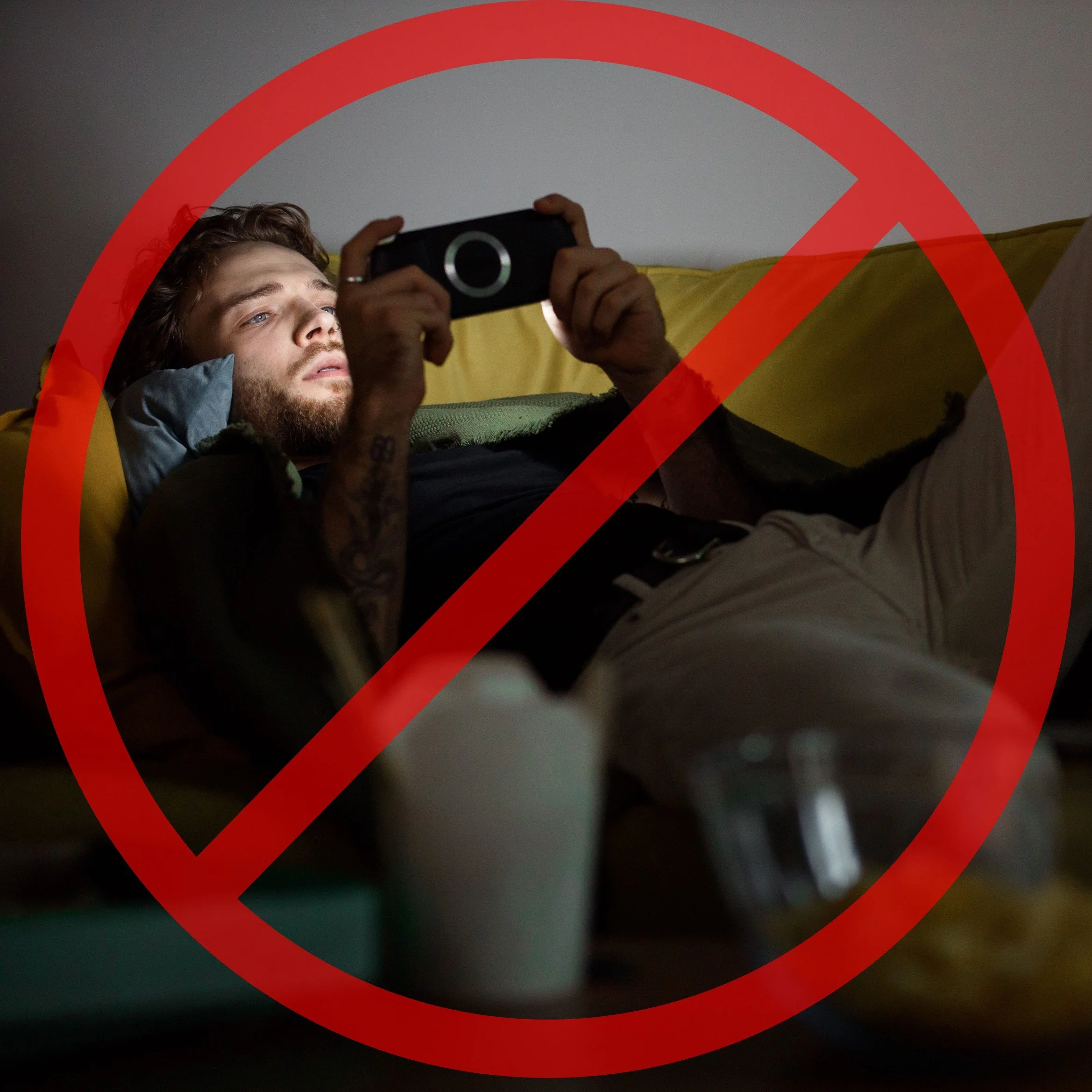
The key is active recovery.
Typically "active recovery" is used as a label for light physical activity done after a hard workout or on a rest day rather than fully resting, in order to help our muscles heal faster.
Same concept here, but what we're aiming at instead are ways to help our brains recover from the incredible depletion of a long, intense day of focus. You know how that feels -- kinda fried, maybe foggy-headed and low-energy, unable to focus anymore and perhaps even just craving some time to sack out on the couch for awhile and zone out.
"Rest" is probably what we want the most right then. But if you want to show up sharp tomorrow, aim instead at "recovery" and notice the difference in your results.
When you finish an intense day of work and take the time to replenish, exercise, and/or connect with people that are important to you, you end up feeling significantly different than you do when you just collapse on the couch after the day and zone out into your phone for an hour.
It may take a bit of discipline to add active recovery in after a long day, but you'll see a difference immediately.
Aim for things that are very different from your normal work routine -- for example, if you spend all day staring at a computer screen, movement & exercise are a good fit. Overall, if your active recovery activity leaves you feeling refreshed and more clear-headed than when you began, you're on track.
Some active recovery ideas:
Exercise of some sort (naturally)
Taking a walk
Art
Getting out in nature
Socializing
Getting a massage
Sauna, cold plunge or shower, taking a bath, etc.
Overall, aim for things that that fill in the physical, mental, emotional, social and/or spiritual gaps in your normal day of focused work, whatever that work may typically look like. This is different than being perfectly balanced; you're aiming for practices that offset the intensity of the normal, routine demands of your daily life.
When you add active recovery methods into your daily, you not only feel refreshed, you:
Increase oxygen and nutrient delivery to brain tissue, supporting cellular repair.
Replenish neurotransmitters like dopamine, serotonin, and norepinephrine, which your brain most likely spent all day (that's one of the reasons you feel fried and groggy at the end of an intense day).
Lower cortisol and oxidative stress, creating an environment in your brain for those little neuro-receptors to re-sensitize and reset their capacity to drink up all those yummy neurotransmitters.
Increase BDNF (brain-derived neurotrophic factor), which helps rebuild and maintain healthy neural connections.
In essence, active recovery supports your brain's recovery from the rigors of your day. It helps your system recalibrate and refresh from the demands of life, and ensures you'll be able to head into tomorrow (and the next day, and the next) feeling as close to 100% as possible.
That's "peak performance" in a nutshell.
You know what doesn't get us there? Scrolling, zoning out in front of the TV, having a beer, and many of the activities we typically consider to be "relaxing."
These are not innately bad activities that you should always avoid. Look at them, though, as passive recovery methods. And passive recovery doesn't replenish our circuitry as readily as active recovery does.
Replenishment > Relaxation
Most of my clients need active recovery practices in their lives, plain and simple. Whether you're working to solve chronic symptoms with PRT or you're looking to Mind-Body Coaching to get through a sticky part of life, much of what we're aiming at together is bringing less-balanced systems back toward more balance in some way. And I've found that when my clients purposefully make active recovery part of their everyday lives, overcoming challenges gets significantly easier.