

Bodies Do Weird Shit Sometimes
Many, many times over my years working with folks in pain (going wayyy back to 2008 now!), I've had clients come into sessions and pepper me with questions about a pain episode they've experienced since our last meeting. As a general example, the conversation may go like this:
Client: "I had this random searing pain in my left middle toe last week...what's going on??"
Mike: "Did you do anything to injure yourself, like kick a chair or something?"
C: "No, it was totally random."
M: "How long did the pain last?"
C: "Like 10-15 minutes."
M: "And then it went away?"
C: "Yeah!"
M: "Has it happened since then?"
C: "No! What's going on??"
M: "Nothing. Don't worry about it. Bodies do random stuff sometimes and it's best to not make a big deal out of it."
C: "Really??"
M: "Yeah. It's weird. But you're fine."
C: "Phew! I'm so relieved!"
True story folks, many times over!
For a long time I tried to figure those things out, there must be something going on! But time and again, based on my own experience with my body and by working with hundreds and hundreds of people over the years, I've come to learn this simple truth:
Bodies just do weird shit sometimes. And most of the time, it's not a big deal.
It can be scary when these things happen to be sure. Here's a personal example: when I was ten I woke up one morning and I couldn't walk -- my legs felt like every muscle was locked in iron. I was terrified! The doctor was certain I was making it up (nice guy!) and sent me to school. It took about 3 days for that locked-up feel and the pain that went with it to resolve, but then I never had anything like that happen again.
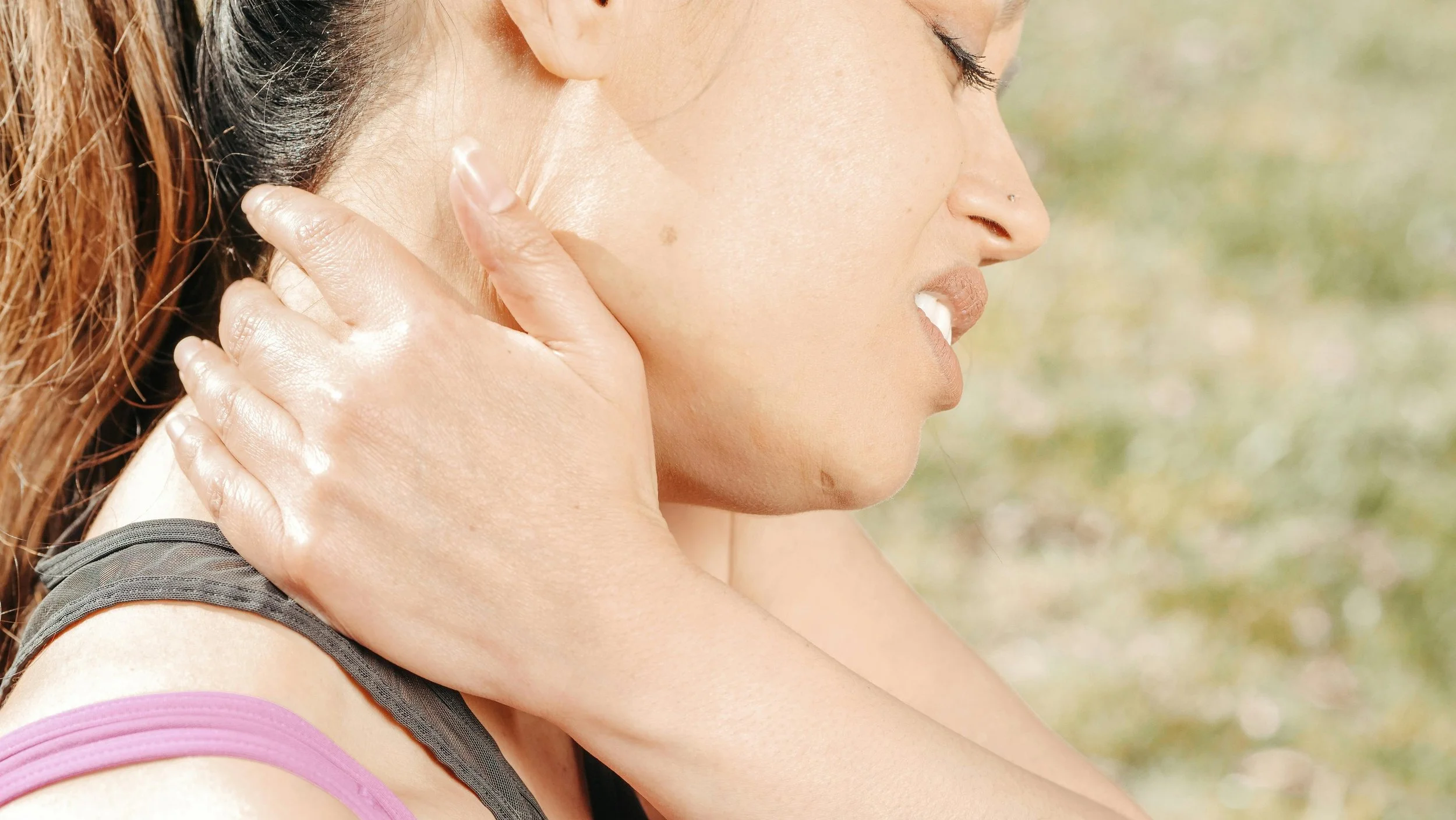
Sometimes these things are stress-induced, or related to emotions we're experiencing. And sometimes they're just a completely random, complex-human-body thing.
The worst part of these experiences is usually the stress & uncertainty that goes with them, and the stories that we then construct to try and create clarity & meaning around them. Straight out of Buddhism's parable of the second arrow.
These things are secondary to the pain itself, and they absolutely exacerbate the situation.
So, instead of going down the road of stressing and catastrophizing things, try these tools:
"Check the Facts": This is a great tool I've recently learned about from Dialectical Behavior Therapy (DBT) -- a strategy-based therapy that helps people manage their emotions. "Check the facts" helps you reframe your thinking before assuming your thoughts and feelings are accurate and final (as one of my all-time favorite bumper stickers read: "Don't Believe Everything You Think”).
With a random pain episode like this, you might check your facts with questions like the ones I asked my client above. Pick the situation apart a bit and help your thinking separate a bit from the emotional response you're having. Find out what's true and what you can be really certain about, and notice how those things are very different from the fears or stories that you might be constructing about what happened.
Messages of Safety: These are a classic tool in the Pain Reprocessing Therapy (PRT) toolkit, and very simply are any statement or affirmation you can offer yourself that can genuinely help you feel relaxed and more safe in the face of pain and uncertainty. Things like:
"I didn't injure myself and know I'm OK."
"My body is resilient."
"I've bounced back from pain and discomfort before."
"It's OK to not know what's happening."
And feel free to steal this one from me: "Bodies do weird shit sometimes. And most of the time it's not a big deal."
...or choose one or more that work great for you!
Most importantly! Try to bring in some levity and less seriousness into the situation. Help your nervous system lighten the load. Remember that random things happen to bodies sometime and this too can be no big deal.
(And reach out if you need help!!)
An Important PS -- In PRT this type of mindset is known as "outcome independence," and finding an authentic connection to that headspace is a lynchpin in solving chronic pain. All pain is real, and none of this is meant to marginalize anyone's pain experience. It is, however, important to track our thinking if we tend to catastrophize or have outsized reactions to uncomfortable experiences.
Part of feeling empowered as you age is taking power back from things that don't really need your attention. So, hopefully this tip is useful for doing just that, especially with the smaller, everyday things that our brains sometimes like to run away with!