

The Thing You Don’t Want To Hear About Solving Chronic Pain
When you're experiencing chronic pain, it often feels like a frantic race to solve it, and we usually have tons of motivation to try new things that just might work.
Then, that motivation meets marketing.
We're awash in feeds featuring ideas that promise "5 steps to solving your chronic pain" or "with this program I solved my pain in 3 sessions!" Those types of promises are really enticing, especially when we've been in pain for months, years, or even decades.
Sexy stories sell.
And I'm not naive here friends -- Pain Reprocessing Therapy out on the socials, in podcast-landia, and even in the books is rife with stories of turn-on-a-dime healing. Those experiences do happen, and I've had them happen with my clients. Stories like that are great for marketing. But they're not the norm.
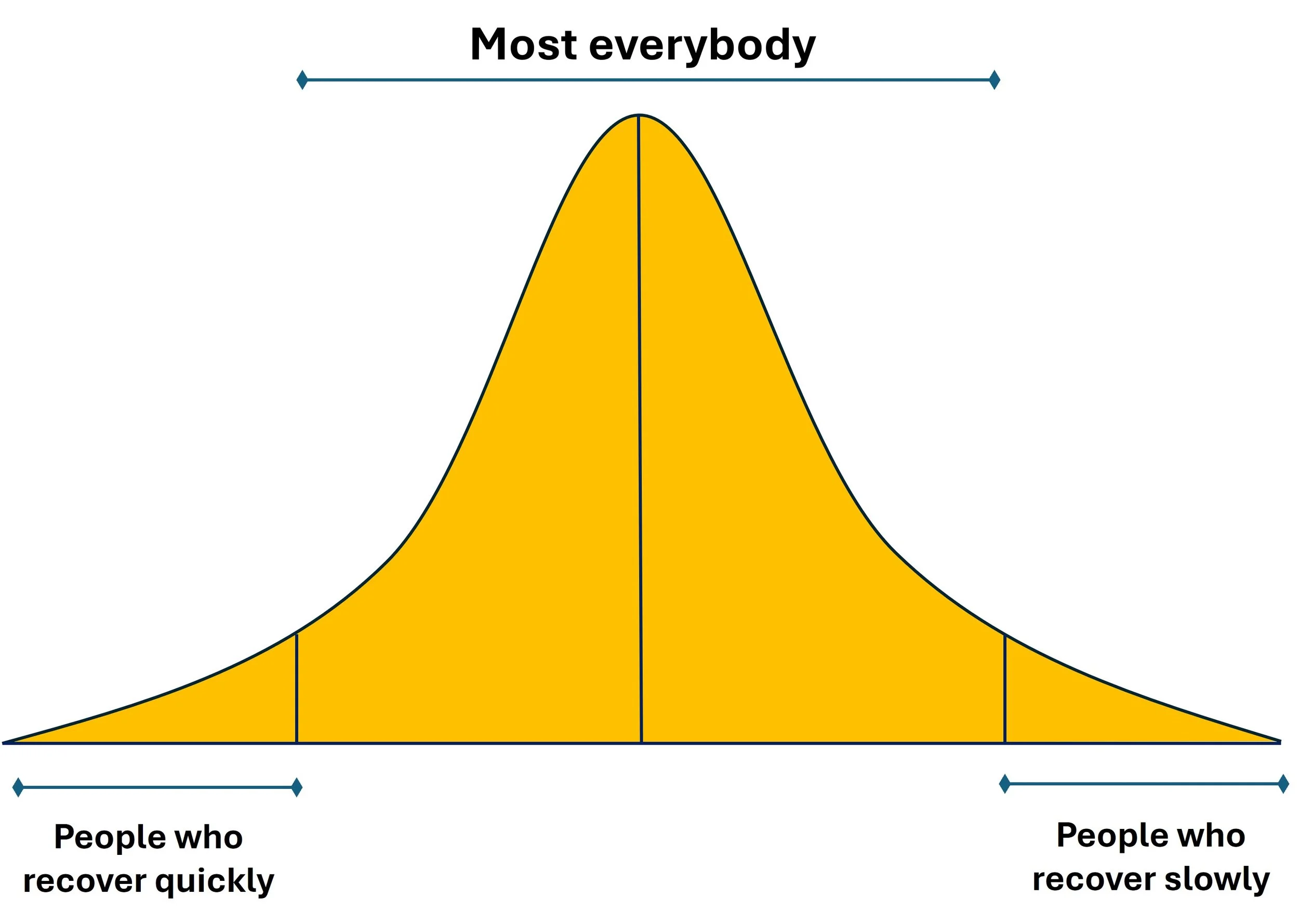
So it's really tempting to set our expectations of healing to align with those fast-results stories. Then, when reality sets in and our healing takes some time, or comes with extremely normal ups-and-downs along the way, we can easily get frustrated. At worst, we think we're doing something wrong or that the work's not working for some reason.
It's not that the work doesn't work, or that you're not working hard enough. Our brains simply don't learn the way sexy marketing stories unfold.
Here's the not-so-secret secret:
The factors that lead to chronic symptoms typically take place over years or decades of our lives. Unlearning our pain most often takes some steady, focused work to craft and hone new ways of being in support of an easier, authentically safer-feeling nervous system.
That's not a quick fix. Most folks need to engage in a learning & experimenting process that leads to embodying new ways of thinking, feeling and acting day-to-day. These aren’t “hacks,” they’re most-often real-life changes — slowing down regularly, setting boundaries and saying “no,” changing up the things you do day-to-day to add more ease or joy to life. Learning how to go forward into a new chapter of life rather than going back to how things used to be.
Quick fixes and short programs always fade out the most. We can pretty easily clear our calendars and dive into a short, intensive experience. But research shows that without consistent reinforcement we lose about 70% of what we learn within a day, and most of it within a month.
The momentum and habits of our daily lives re-insert themselves and we lose the new stuff we crammed into our brains.
Learning that takes place over time vastly outperforms learning that we compress into a short period, especially with sophisticated material like PRT. This is what's known as the "spacing effect."
Think here about how well you remember the material from that final exam you pulled an all-nighter for vs. how well you recall things you did steadily over months or even years, like learning a musical instrument, a sport, or earning a specialized degree like a Master's or Ph.D.

Short commitments or work that promises fast outcomes and low effort sell (the brain overvalues speed, and research shows that across cultures we humans are biased to choose a smaller reward now over a larger reward later). But the gains that sprint programs offer simply don't last.
Bottom line?
Patience, my friends.
Impatience reinforces alert and danger in our nervous systems. And if you're recovering from chronic pain, that alert and danger tends to trigger symptoms and keep them alive.
With PRT, we're creating the ability for you to authentically feel more safe and balanced in your life -- that's the unlock for chronic symptoms. Arriving there takes steady attention and reinforcement in order to disrupt the old habits, rewire your nervous system, and eliminate your pain for good.